
What Artificial Disc Replacement Actually Involves

Patient considering artificial disc replacement surgery reviews a non-surgical alternative with Dr. Michael Karr at Los Angeles Spinal Decompression®, using the FDA-cleared DRX9000 spinal decompression system to treat a herniated or damaged disc without implants, incisions, or general anesthesia in Los Angeles.

What Artificial Disc Replacement Actually Involves
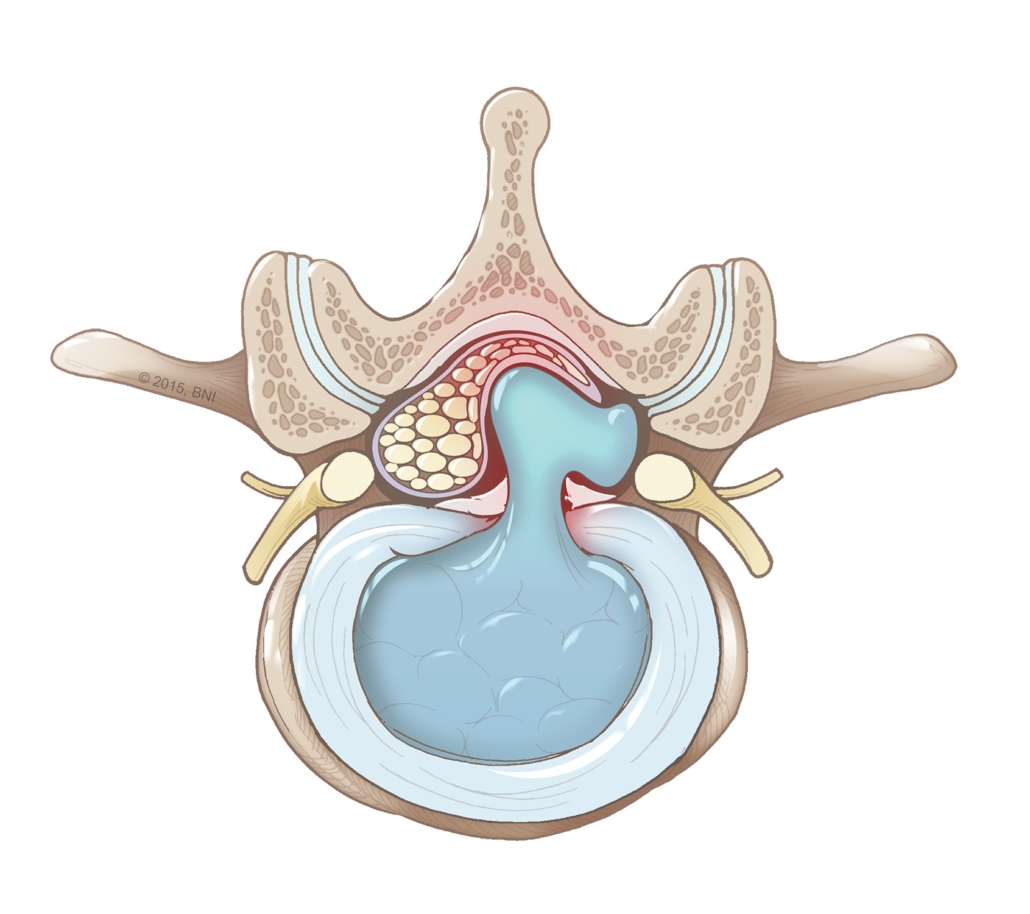
Artificial disc replacement (ADR) removes a damaged spinal disc entirely and replaces it with a mechanical implant, aiming to preserve motion better than spinal fusion. It’s performed under general anesthesia, typically through an anterior (front) surgical approach near major blood vessels and nerves.

The Risks Rarely Discussed Upfront

Like any major surgery, ADR carries documented risks: infection at the surgical site, nerve injury, blood clots, and persistent pain even after a technically successful procedure. Specific to the implant itself, the device can wear, loosen, or migrate over time — and the spinal segments above or below it can degenerate as a result of the altered mechanics.

A peer-reviewed systematic review found that 3.7% to 11.4% of ADR patients require revision surgery — a second operation to address a failed or migrated implant.

Source: Clinical Outcomes of Revision Strategies for Failed Total Disc Replacements

A Non-Surgical Option Worth Ruling Out First

Non-Surgical Spinal Decompression using the DRX9000 applies precisely calibrated traction to the spine, designed to reduce pressure on a damaged disc without an incision, an implant, or general anesthesia. It’s FDA-cleared and backed by 28 clinical studies, 20 of them published in peer-reviewed journals. Not every patient is a candidate — that’s determined through evaluation and imaging, not guesswork.

How the Two Options Compare

Artificial Disc ReplacementNon-Surgical Spinal Decompression (DRX9000)
InvasivenessMajor surgery, general anesthesiaNon-invasive, no anesthesia
RecoveryWeeks to monthsNo downtime between sessions
Revision risk3.7–11.4% require a second surgeryNo implant to fail or migrate
ReversibilityNot reversible once implantedFully non-permanent

What This Means for You

If you’ve been told artificial disc replacement is your only option, a second opinion that includes a non-surgical evaluation is a reasonable step before committing to permanent surgery. At Los Angeles Spinal Decompression®, your first visit includes a review of your imaging and history to determine whether you’re a genuine candidate for DRX9000 — honestly, not just as a sales pitch.

Frequently Asked Questions

Is artificial disc replacement safer than spinal fusion?

Research comparing the two shows similar safety profiles at 5-year follow-up, though device failure has specifically been observed in disc replacement patients between years 2 and 5 that isn’t a factor with fusion.

How often does artificial disc replacement fail?

A systematic review found 3.7% to 11.4% of patients require revision surgery due to implant failure, migration, or other complications.

Is non-surgical spinal decompression a real alternative to disc replacement surgery?

For appropriately screened candidates, yes — it’s a non-invasive, FDA-cleared option worth ruling out before committing to permanent surgical implantation. Candidacy is determined through evaluation and imaging.

✅ FDA-cleared DRX9000, backed by 28 clinical studies
✅ No incision, no implant, no general anesthesia
✅ First treatment: $149 with approved MRI
✅ Most PPO insurance accepted

📞 Call Betty: 310-914-9422
🌐 losangelesspinaldecompression.com
📍 11340 W. Olympic Blvd., Suite 160, Los Angeles, CA 90064

Individual results vary. This content is for informational purposes only and does not constitute medical advice. Consult a qualified healthcare professional before beginning any treatment program. Spinal decompression candidacy determined by clinical evaluation.

Yours in health,
Los Angeles Spinal Decompression®
📞 310-914-9422
🌐 losangelesspinaldecompression.com
📘 facebook.com/LosAngelesSpinalDecompression
📸 instagram.com/losangelesspinaldecompression
▶️ youtube.com/@LosAngelesSpinalDecompression
🐦 twitter.com/ladecompression
📝 losangelesspinaldecompression.blogspot.com

Weighing spinal decompression vs back surgery for a herniated disc, sciatica, or degenerative disc disease? 

Weighing spinal decompression vs back surgery for a herniated disc, sciatica, or degenerative disc disease? A 2025 chart review of 267 patients found pain scores dropped from 6.9 to 2.5 on a 10-point scale. In fact, 90.5% reported improvement (Schueren et al., Military Medicine, 2025).

Why “conservative first” matters

Back surgery isn’t always reversible, and it doesn’t always work. In fact, failed back surgery syndrome affects roughly 1 in 5 patients within a few years of their procedure (Inoue et al., 2017, as cited in Schueren et al., 2025). This includes ongoing pain, numbness, or the need for repeat surgery. Of patients who’ve had one back surgery, only around 30% get adequate relief. Up to 70% end up having another (Thomson & Jacques, 2009, as cited in Connolly et al., 2025). Because of this, many patients choose to try conservative care first. Doing so doesn’t close the door on surgery later if it’s still needed.

What the 2025 research shows

Two separate peer-reviewed studies published in 2025 looked directly at non-surgical spinal decompression outcomes.

Pain and neurological outcomes

A retrospective chart review in Military Medicine analyzed 267 patients across seven clinics (Schueren et al., 2025). The researchers, at the University of South Florida, are not affiliated with Los Angeles Spinal Decompression®. Pain dropped from 6.9 to 2.5 on average. Patients also improved in muscle strength (74.8%), sensation (77.6%), and reflexes (60.9%).

MRI-confirmed structural changes

A separate case series in the Journal of Contemporary Chiropractic followed 13 patients for 20 sessions of DRX9000 treatment — the same technology used at LASD (Connolly et al., 2025). Follow-up MRI scans showed measurable increases in disc height and spinal canal space. As a result, 77% of patients had a visible reduction in disc herniation size.

Additionally, 28 clinical studies have now examined the DRX9000, and 20 of them are peer-reviewed (per DRX9000 manufacturer-compiled research summary).

Spinal Decompression vs Back Surgery: Side-by-Side Comparison

Non-Surgical Spinal DecompressionBack Surgery (e.g., fusion)
Incision/anesthesiaNoneRequired
Typical recoverySame-day return to activityWeeks to months
ReversibilityNon-permanentPermanent change to spinal biomechanics
Approximate costA fraction of surgical costAverages ~$22,890 per level, up to $110,000 (Beckerman et al., 2020, as cited in Connolly et al., 2025)
2025 research90.5% reported pain improvement, n=267 (Schueren et al., 2025); MRI-confirmed disc height increase, n=13 (Connolly et al., 2025)~20.6% risk of failed back surgery syndrome (Inoue et al., 2017)
When it’s not appropriateFracture, instability, tumor, infectionSometimes still necessary once conservative care fails

How Dr. Karr evaluates candidacy

Dr. Michael Karr is a UCLA Kinesiology graduate who has treated patients in West LA since 1989. He personally reviews your MRI or X-rays before recommending non-surgical spinal decompression. Not every patient qualifies. That’s exactly why this evaluation matters — it determines whether conservative care is a safe, appropriate first step for you.

✅ FDA-cleared DRX9000 — 28 clinical studies, 20 peer-reviewed
✅ Dr. Karr personally reviews your MRI or X-rays
✅ $149 first treatment with an approved MRI
✅ We accept most PPO insurance (Medicare does not cover spinal decompression)

We’re located at Los Angeles Spinal Decompression® 11340 W. Olympic Blvd., Suite 160 — ground floor, free parking, near the 405 and 10. We serve West LA, Santa Monica, Brentwood, Beverly Hills, Culver City, Bel Air, Venice, and Westwood.

Call Betty: 310-914-9422

Frequently Asked Questions

Is spinal decompression proven to work, or is this just a claim?

Two separate peer-reviewed studies measured outcomes directly in 2025. One tracked pain and neurological function across 267 patients (Schueren et al., Military Medicine, 2025). The other confirmed structural disc changes on MRI (Connolly et al., J Contemp Chiropr, 2025). So while every patient responds differently, the research base has grown substantially.

What happens if I go straight to surgery without trying decompression first?

Surgery is sometimes necessary, and you can’t always avoid it. However, research shows roughly 1 in 5 back surgery patients develop ongoing complications (Inoue et al., 2017). Only about 30% get adequate relief from a single procedure (Thomson & Jacques, 2009). That’s why trying conservative care first doesn’t eliminate surgery as an option later. It simply gives you a lower-risk option to try before a higher-risk one.

Does insurance cover spinal decompression?

We accept most PPO plans. Medicare does not cover spinal decompression, so call Betty to verify your specific coverage.

What if spinal decompression doesn’t relieve my pain?

Dr. Karr reassesses your progress throughout treatment. If you’re not responding, that becomes part of the conversation about next steps — including, if appropriate, a referral for surgical consultation.

Do I need an MRI first?

Yes. The $149 first-treatment offer requires an approved MRI, which also helps confirm candidacy. Dr. Karr reviews it personally.

Individual results vary. This content is for informational purposes only and does not constitute medical advice. Consult a qualified healthcare professional before beginning any treatment program. Spinal decompression candidacy determined by clinical evaluation.

Sources:
Schueren S, Luginsland LA, Ariza Medina G, Schilaty ND. Retrospective Chart Review of Nonsurgical Spinal Decompression as a Therapeutic Modality for Low Back Pain. Military Medicine 2025;190(Suppl 2):134–140.
Connolly JA, Luginsland LA, Welsh S, et al. Clinical and Imaging Outcomes of Nonsurgical Spinal Decompression for Lumbar Intervertebral Disc Lesions: A Case Series. J Contemp Chiropr 2025;8:81–87.

📞 Call Betty: 310-914-9422
🌐 LosAngelesSpinalDecompression.com
📍 11340 W. Olympic Blvd., Suite 160, Los Angeles, CA 90064
📘 facebook.com/LosAngelesSpinalDecompression
📸 instagram.com/losangelesspinaldecompression
▶️ youtube.com/@LosAngelesSpinalDecompression
🐦 twitter.com/ladecompression
📝 losangelesspinaldecompression.blogspot.com