Tag Archive for: DRX9000

Descompresión Espinal vs Cirugía de Columna: Lo Que Debe Saber Antes de Decidir


Descompresión Espinal vs Cirugía | LA Spinal Decompression®

Descompresión Espinal vs Cirugía de Columna: Lo Que Debe Saber Antes de Decidir

¿Está considerando cirugía de columna por un disco herniado, ciática, o enfermedad degenerativa del disco? Vale la pena conocer primero la descompresión espinal vs cirugía como opción no quirúrgica. Una revisión de 2025 con 267 pacientes encontró que el dolor bajó de 6.9 a 2.5 en una escala de 10 puntos, y el 90.5% de los pacientes reportó mejoría (Schueren et al., Military Medicine, 2025) — sin necesidad de cirugía.

Por qué vale la pena considerar la opción conservadora primero

La cirugía de columna no siempre es reversible, y no siempre funciona. De hecho, el síndrome de cirugía de espalda fallida — dolor persistente, entumecimiento, o la necesidad de otra cirugía — afecta aproximadamente a 1 de cada 5 pacientes pocos años después del procedimiento (Inoue et al., 2017, citado en Schueren et al., 2025). De los pacientes que ya tuvieron una cirugía de espalda, solo alrededor del 30% obtiene alivio adecuado, y hasta el 70% termina teniendo otra (Thomson & Jacques, 2009, citado en Connolly et al., 2025). Por esta razón, muchos pacientes eligen probar primero el cuidado conservador — y hacerlo no cierra la puerta a la cirugía después, si todavía es necesaria.

Lo que muestra la investigación de 2025

Dos estudios revisados por expertos, publicados en 2025, examinaron directamente los resultados de la descompresión espinal no quirúrgica:

  • Una revisión retrospectiva en Military Medicine analizó 267 pacientes en siete clínicas (Schueren et al., 2025; los investigadores, de la Universidad del Sur de Florida, no tienen afiliación con Los Angeles Spinal Decompression®). El dolor bajó de 6.9 a 2.5 en promedio, y los pacientes también mejoraron en fuerza muscular (74.8%), sensibilidad (77.6%), y reflejos (60.9%).
  • Una serie de casos separada en el Journal of Contemporary Chiropractic siguió a 13 pacientes tratados con tecnología DRX9000 — la misma tecnología que se usa en LASD — durante 20 sesiones (Connolly et al., 2025). Las resonancias magnéticas de seguimiento mostraron aumentos medibles en la altura del disco, y el 77% de los pacientes tuvo una reducción visible en el tamaño de la hernia discal.

Descompresión Espinal vs Cirugía: Comparación Directa

Descompresión Espinal No QuirúrgicaCirugía de Columna (ej. fusión)
Incisión/anestesiaNingunaRequerida
Recuperación típicaRegreso a actividad el mismo díaSemanas a meses
ReversibilidadNo permanenteCambio permanente en la biomecánica espinal
Costo aproximadoUna fracción del costo quirúrgicoPromedia ~$22,890 por nivel, hasta $110,000 (Beckerman et al., 2020, citado en Connolly et al., 2025)
Investigación 202590.5% reportó mejoría del dolor, n=267 (Schueren et al., 2025); aumento de altura del disco confirmado por RM, n=13 (Connolly et al., 2025)~20.6% de riesgo de síndrome de cirugía de espalda fallida (Inoue et al., 2017)
Cuándo no es apropiadaFractura, inestabilidad, tumor, infecciónA veces todavía necesaria cuando el cuidado conservador falla

Cómo el Dr. Karr evalúa su candidatura

El Dr. Michael Karr, graduado en Kinesiología de UCLA que ha tratado pacientes en West LA desde 1989, revisa personalmente su resonancia magnética o radiografías antes de recomendar descompresión espinal no quirúrgica. No todos los pacientes califican — por eso esta evaluación es tan importante: determina si el cuidado conservador es un primer paso seguro y apropiado para usted.

✅ DRX9000 aprobado por la FDA — 28 estudios clínicos, 20 revisados por expertos
✅ El Dr. Karr revisa personalmente su resonancia magnética o radiografías
✅ $149 primer tratamiento con resonancia magnética aprobada
✅ Aceptamos la mayoría de seguros PPO (Medicare no cubre la descompresión espinal)

Estamos ubicados en 11340 W. Olympic Blvd., Suite 160 — planta baja, estacionamiento gratuito. Servimos West LA, Santa Monica, Brentwood, Beverly Hills, Culver City, Bel Air, Venice, y Westwood.

Llame a Betty: 310-914-9422

Preguntas Frecuentes

¿La descompresión espinal está comprobada, o es solo una afirmación de mercadeo?

Dos estudios revisados por expertos midieron resultados directamente en 2025 — una revisión de 267 pacientes que rastreó el dolor y la función neurológica (Schueren et al., Military Medicine, 2025), y un estudio más pequeño que confirmó cambios estructurales del disco mediante resonancia magnética (Connolly et al., J Contemp Chiropr, 2025). Los resultados no están garantizados para cada paciente, pero la base de investigación ha crecido considerablemente.

¿Qué pasa si voy directo a cirugía sin probar la descompresión primero?

La cirugía a veces es necesaria y no siempre se puede evitar. Sin embargo, la investigación muestra que aproximadamente 1 de cada 5 pacientes de cirugía de espalda desarrolla complicaciones continuas (Inoue et al., 2017), y solo alrededor del 30% obtiene alivio adecuado con un solo procedimiento (Thomson & Jacques, 2009). Por eso probar el cuidado conservador primero no elimina la cirugía como opción más adelante.

¿Los seguros cubren la descompresión espinal?

Aceptamos la mayoría de los planes PPO. Medicare no cubre la descompresión espinal, así que llame a Betty para verificar su cobertura específica.

¿Necesito una resonancia magnética primero?

Sí — la oferta de $149 para el primer tratamiento requiere una resonancia magnética aprobada, que también ayuda a confirmar la candidatura. El Dr. Karr la revisa personalmente.

Los resultados individuales pueden variar. Este contenido es solo para fines informativos y no constituye asesoramiento médico. Consulte a un profesional de la salud calificado antes de comenzar cualquier programa de tratamiento. La candidatura para la descompresión espinal se determina mediante evaluación clínica.

Fuentes:
Schueren S, Luginsland LA, Ariza Medina G, Schilaty ND. Retrospective Chart Review of Nonsurgical Spinal Decompression as a Therapeutic Modality for Low Back Pain. Military Medicine 2025;190(Suppl 2):134–140.
Connolly JA, Luginsland LA, Welsh S, et al. Clinical and Imaging Outcomes of Nonsurgical Spinal Decompression for Lumbar Intervertebral Disc Lesions: A Case Series. J Contemp Chiropr 2025;8:81–87.

📞 Llame a Betty: 310-914-9422
🌐 LosAngelesSpinalDecompression.com
📍 11340 W. Olympic Blvd., Suite 160, Los Angeles, CA 90064
📘 facebook.com/LosAngelesSpinalDecompression
📸 instagram.com/losangelesspinaldecompression
▶️ youtube.com/@LosAngelesSpinalDecompression
🐦 twitter.com/ladecompression
📝 losangelesspinaldecompression.blogspot.com

Weighing spinal decompression vs back surgery for a herniated disc, sciatica, or degenerative disc disease? 

Weighing spinal decompression vs back surgery for a herniated disc, sciatica, or degenerative disc disease? A 2025 chart review of 267 patients found pain scores dropped from 6.9 to 2.5 on a 10-point scale. In fact, 90.5% reported improvement (Schueren et al., Military Medicine, 2025).

Why “conservative first” matters

Back surgery isn’t always reversible, and it doesn’t always work. In fact, failed back surgery syndrome affects roughly 1 in 5 patients within a few years of their procedure (Inoue et al., 2017, as cited in Schueren et al., 2025). This includes ongoing pain, numbness, or the need for repeat surgery. Of patients who’ve had one back surgery, only around 30% get adequate relief. Up to 70% end up having another (Thomson & Jacques, 2009, as cited in Connolly et al., 2025). Because of this, many patients choose to try conservative care first. Doing so doesn’t close the door on surgery later if it’s still needed.

What the 2025 research shows

Two separate peer-reviewed studies published in 2025 looked directly at non-surgical spinal decompression outcomes.

Pain and neurological outcomes

A retrospective chart review in Military Medicine analyzed 267 patients across seven clinics (Schueren et al., 2025). The researchers, at the University of South Florida, are not affiliated with Los Angeles Spinal Decompression®. Pain dropped from 6.9 to 2.5 on average. Patients also improved in muscle strength (74.8%), sensation (77.6%), and reflexes (60.9%).

MRI-confirmed structural changes

A separate case series in the Journal of Contemporary Chiropractic followed 13 patients for 20 sessions of DRX9000 treatment — the same technology used at LASD (Connolly et al., 2025). Follow-up MRI scans showed measurable increases in disc height and spinal canal space. As a result, 77% of patients had a visible reduction in disc herniation size.

Additionally, 28 clinical studies have now examined the DRX9000, and 20 of them are peer-reviewed (per DRX9000 manufacturer-compiled research summary).

Spinal Decompression vs Back Surgery: Side-by-Side Comparison

Non-Surgical Spinal DecompressionBack Surgery (e.g., fusion)
Incision/anesthesiaNoneRequired
Typical recoverySame-day return to activityWeeks to months
ReversibilityNon-permanentPermanent change to spinal biomechanics
Approximate costA fraction of surgical costAverages ~$22,890 per level, up to $110,000 (Beckerman et al., 2020, as cited in Connolly et al., 2025)
2025 research90.5% reported pain improvement, n=267 (Schueren et al., 2025); MRI-confirmed disc height increase, n=13 (Connolly et al., 2025)~20.6% risk of failed back surgery syndrome (Inoue et al., 2017)
When it’s not appropriateFracture, instability, tumor, infectionSometimes still necessary once conservative care fails

How Dr. Karr evaluates candidacy

Dr. Michael Karr is a UCLA Kinesiology graduate who has treated patients in West LA since 1989. He personally reviews your MRI or X-rays before recommending non-surgical spinal decompression. Not every patient qualifies. That’s exactly why this evaluation matters — it determines whether conservative care is a safe, appropriate first step for you.

✅ FDA-cleared DRX9000 — 28 clinical studies, 20 peer-reviewed
✅ Dr. Karr personally reviews your MRI or X-rays
✅ $149 first treatment with an approved MRI
✅ We accept most PPO insurance (Medicare does not cover spinal decompression)

We’re located at Los Angeles Spinal Decompression® 11340 W. Olympic Blvd., Suite 160 — ground floor, free parking, near the 405 and 10. We serve West LA, Santa Monica, Brentwood, Beverly Hills, Culver City, Bel Air, Venice, and Westwood.

Call Betty: 310-914-9422

Frequently Asked Questions

Is spinal decompression proven to work, or is this just a claim?

Two separate peer-reviewed studies measured outcomes directly in 2025. One tracked pain and neurological function across 267 patients (Schueren et al., Military Medicine, 2025). The other confirmed structural disc changes on MRI (Connolly et al., J Contemp Chiropr, 2025). So while every patient responds differently, the research base has grown substantially.

What happens if I go straight to surgery without trying decompression first?

Surgery is sometimes necessary, and you can’t always avoid it. However, research shows roughly 1 in 5 back surgery patients develop ongoing complications (Inoue et al., 2017). Only about 30% get adequate relief from a single procedure (Thomson & Jacques, 2009). That’s why trying conservative care first doesn’t eliminate surgery as an option later. It simply gives you a lower-risk option to try before a higher-risk one.

Does insurance cover spinal decompression?

We accept most PPO plans. Medicare does not cover spinal decompression, so call Betty to verify your specific coverage.

What if spinal decompression doesn’t relieve my pain?

Dr. Karr reassesses your progress throughout treatment. If you’re not responding, that becomes part of the conversation about next steps — including, if appropriate, a referral for surgical consultation.

Do I need an MRI first?

Yes. The $149 first-treatment offer requires an approved MRI, which also helps confirm candidacy. Dr. Karr reviews it personally.

Individual results vary. This content is for informational purposes only and does not constitute medical advice. Consult a qualified healthcare professional before beginning any treatment program. Spinal decompression candidacy determined by clinical evaluation.

Sources:
Schueren S, Luginsland LA, Ariza Medina G, Schilaty ND. Retrospective Chart Review of Nonsurgical Spinal Decompression as a Therapeutic Modality for Low Back Pain. Military Medicine 2025;190(Suppl 2):134–140.
Connolly JA, Luginsland LA, Welsh S, et al. Clinical and Imaging Outcomes of Nonsurgical Spinal Decompression for Lumbar Intervertebral Disc Lesions: A Case Series. J Contemp Chiropr 2025;8:81–87.

📞 Call Betty: 310-914-9422
🌐 LosAngelesSpinalDecompression.com
📍 11340 W. Olympic Blvd., Suite 160, Los Angeles, CA 90064
📘 facebook.com/LosAngelesSpinalDecompression
📸 instagram.com/losangelesspinaldecompression
▶️ youtube.com/@LosAngelesSpinalDecompression
🐦 twitter.com/ladecompression
📝 losangelesspinaldecompression.blogspot.com

Spinal Decompression Near Me | Los Angeles Spinal Decompression®

Searching for spinal decompression near me? FDA-cleared DRX9000, 2025 peer-reviewed research, $149 first visit. Call Betty: 310-914-9422.

Spinal Decompression Near Me: What 2025 Research Shows

Searching for spinal decompression near me because sciatica, a herniated disc, or chronic back pain isn’t improving? Two 2025 peer-reviewed studies and a randomized controlled trial add real weight to non-surgical spinal decompression as a conservative option — and one of them shows it works even better when paired with therapy.

What the research shows

A 2025 chart review in Military Medicine analyzed 267 patients across seven clinics using non-surgical spinal decompression (Schueren et al., 2025; researchers at the University of South Florida, not affiliated with Los Angeles Spinal Decompression®). Pain dropped from 6.9 to 2.5 on average, and 90.5% of patients reported improvement. Neurological function improved too — 74.8% in muscle strength, 77.6% in sensation, and 60.9% in reflexes.

A separate 2025 case series in the Journal of Contemporary Chiropractic followed 13 patients treated with DRX9000 technology — the same technology used at LASD — for 20 sessions (Connolly et al., 2025). Follow-up MRI scans confirmed measurable increases in disc height, not just symptom relief.

Decompression works best combined with therapy

A randomized controlled trial published in BMC Musculoskeletal Disorders compared patients with lumbar radiculopathy who received non-surgical decompression plus routine physical therapy against patients who received physical therapy alone (Amjad et al., 2022). After four weeks, the decompression-plus-therapy group showed significantly greater improvement in pain, disability, and range of motion, with effect sizes ranging from medium to very large. In other words, decompression isn’t meant to replace therapy — it’s meant to strengthen it. That’s exactly the approach LASD uses.

The DRX9000 has now been the subject of 28 clinical studies, 20 of them peer-reviewed (per DRX9000 manufacturer-compiled research summary).

Spinal Decompression Near Me: Find Care in Los Angeles

Dr. Michael Karr, a UCLA Kinesiology graduate treating patients in West LA since 1989, personally reviews your MRI or X-rays before recommending non-surgical spinal decompression. He combines DRX9000 treatment with other conservative therapies rather than using it in isolation — the same approach the 2022 research above supports.

✅ FDA-cleared DRX9000 — 28 clinical studies, 20 peer-reviewed
✅ Dr. Karr personally reviews your MRI or X-rays
✅ $149 first treatment with an approved MRI
✅ Most PPO insurance accepted (Medicare does not cover spinal decompression)

We’re located at 11340 W. Olympic Blvd., Suite 160 — ground floor, free parking. We serve West LA, Santa Monica, Brentwood, Beverly Hills, Culver City, Bel Air, Venice, and Westwood.

Call Betty: 310-914-9422

Frequently Asked Questions

How do I know if spinal decompression is available near me in Los Angeles?

Los Angeles Spinal Decompression® is located at 11340 W. Olympic Blvd., Suite 160, serving West LA, Santa Monica, Brentwood, Beverly Hills, Culver City, Bel Air, Venice, and Westwood. Dr. Karr reviews your MRI or X-rays before confirming candidacy.

Is spinal decompression better with physical therapy, or on its own?

A 2022 randomized controlled trial found decompression added to physical therapy produced significantly greater improvement in pain and disability than physical therapy alone (Amjad et al., 2022). That’s why decompression here is used as part of a broader treatment plan, not a standalone fix.

Does insurance cover spinal decompression?

We accept most PPO plans. Medicare does not cover spinal decompression — call Betty to verify your specific coverage.

Do I need an MRI first?

Yes — the $149 first-treatment offer requires an approved MRI, which also helps confirm candidacy. Dr. Karr reviews it personally.

Individual results vary. This content is for informational purposes only and does not constitute medical advice. Consult a qualified healthcare professional before beginning any treatment program. Spinal decompression candidacy determined by clinical evaluation.

Sources:
Schueren S, Luginsland LA, Ariza Medina G, Schilaty ND. Retrospective Chart Review of Nonsurgical Spinal Decompression as a Therapeutic Modality for Low Back Pain. Military Medicine 2025;190(Suppl 2):134–140.
Connolly JA, Luginsland LA, Welsh S, et al. Clinical and Imaging Outcomes of Nonsurgical Spinal Decompression for Lumbar Intervertebral Disc Lesions: A Case Series. J Contemp Chiropr 2025;8:81–87.
Amjad F, Mohseni-Bandpei MA, Gilani SA, Ahmad A, Hanif A. Effects of non-surgical decompression therapy in addition to routine physical therapy… a randomized controlled trial. BMC Musculoskelet Disord 2022;23:255.

📞 Call Betty: 310-914-9422
🌐 LosAngelesSpinalDecompression.com
📍 11340 W. Olympic Blvd., Suite 160, Los Angeles, CA 90064
📘 facebook.com/LosAngelesSpinalDecompression
📸 instagram.com/losangelesspinaldecompression
▶️ youtube.com/@LosAngelesSpinalDecompression
🐦 twitter.com/ladecompression
📝 losangelesspinaldecompression.blogspot.com

Herniated Disc From Sitting? Spinal Decompression LA

Sitting All Day Is Hard on Your Spine — Here’s How a Herniated Disc Develops, and What Non-Surgical Spinal Decompression Can Do About It

Prolonged sitting significantly increases pressure on the lumbar discs — up to 40% more than standing — and over years of desk work, that added load can contribute to a herniated or bulging disc. When disc material presses on a nearby nerve, the result is often sciatica: shooting pain, numbness, or tingling that radiates from the lower back down the leg.

Why Sitting Is So Hard on Your Discs

The lumbar spine is designed to bear weight most efficiently when standing or moving. Sitting — especially in a forward-leaning position, hunched toward a monitor — flattens the natural curve of the lower back and concentrates pressure on the front of the disc. Held for eight or more hours a day, that repeated pressure can gradually push disc material outward, weakening the outer wall until it herniates or bulges.

Professionals across Playa Vista, Culver City, Santa Monica, and West LA — many working long hours at tech, entertainment, and studio jobs — are especially susceptible, simply because of how much of the workday is spent seated.

From Disc Herniation to Sciatica

Once a disc herniates or bulges, the escaped material can compress the sciatic nerve, the longest nerve in the body, running from the lower spine through the buttocks and down each leg. That compression is what produces the hallmark symptoms of sciatica: sharp or burning leg pain, numbness, tingling, or weakness that often gets worse the longer you sit.

Non-Surgical Spinal Decompression: Addressing the Disc Itself

Los Angeles Spinal Decompression® uses the DRX9000 — FDA-cleared, non-surgical spinal decompression technology, the subject of 28 clinical studies, 20 published in peer-reviewed journals. The DRX9000 applies gentle, computer-controlled traction to the spine, creating negative pressure inside the affected disc. This is designed to help retract herniated or bulging disc material away from the nerve, encourage disc rehydration, and support the disc’s own healing process — without surgery, without injections, and without medication.

Dr. Michael Karr, a UCLA Kinesiology graduate who has treated patients in West LA since 1989, personally reviews your MRI or X-rays before determining whether spinal decompression is right for your specific condition.

Is Spinal Decompression Right for You?

Your situationConsideration
Diagnosed herniated or bulging discStrong candidate for evaluation
Sciatica that worsens with sittingStrong candidate for evaluation
Degenerative disc diseaseOften appropriate — evaluated case by case
Recent spinal fracture or instabilityTypically not a candidate — Dr. Karr will advise
Pain without imaging-confirmed disc involvementMRI/X-ray review needed first

What to Expect

  • Dr. Karr reviews your MRI or takes in-office digital X-rays, read the same day
  • A DRX9000 session lasting 30–45 minutes, applying cyclical traction targeted to the affected disc level
  • A treatment plan built around your specific imaging and presentation — not a generic protocol

We accept most PPO insurance plans, MedPay, Workers’ Comp, and approved personal injury liens. First treatment: $149 with an approved MRI.

We’re located at 11340 W. Olympic Blvd., Suite 160 — ground floor, free parking, near the 10 and 405 freeways. Serving West LA, Santa Monica, Brentwood, Beverly Hills, Culver City, Westwood, Playa Vista, and Mar Vista.

Call Betty: 310-914-9422


Frequently Asked Questions

Can sitting at a desk really cause a herniated disc?
Prolonged sitting increases pressure on the lumbar discs and can contribute to disc herniation over time, particularly with poor posture or long, uninterrupted hours at a desk.

How is a herniated disc from sitting different from one caused by injury?
The disc damage itself is similar — the difference is the cause. Repetitive pressure from sitting tends to develop gradually, while injury-related herniation is typically sudden. Both can be evaluated for spinal decompression candidacy.

Is spinal decompression covered by insurance?
Most PPO plans are accepted. Medicare does not cover spinal decompression. Our staff verifies your specific benefits before your first appointment.

How many DRX9000 sessions will I need?
This depends on your diagnosis and how your body responds to treatment. Dr. Karr outlines a plan after reviewing your imaging and completing your evaluation.

Do I need an MRI before starting treatment?
An approved MRI is required for the $149 first-treatment offer and helps confirm you’re a candidate. Dr. Karr reviews it personally before treatment begins.


📞 Call Betty: 310-914-9422
🌐 LosAngelesSpinalDecompression.com
📍 11340 W. Olympic Blvd., Suite 160, Los Angeles, CA 90064
📘 facebook.com/LosAngelesSpinalDecompression
📸 instagram.com/losangelesspinaldecompression
▶️ youtube.com/@LosAngelesSpinalDecompression
🐦 twitter.com/ladecompression
📝 losangelesspinaldecompression.blogspot.com

Individual results vary. Not medical advice. Consult a qualified healthcare professional before beginning treatment. Spinal decompression candidacy determined by clinical evaluation.

Descompresión Espinal para la Ciática | Los Angeles Spinal Decompression®

Descompresión Espinal para la Ciática | Los Angeles Spinal Decompression®


Ciática por Disco Herniado: El Tratamiento No Quirúrgico en West Los Angeles

La ciática causada por un disco herniado tiene dos problemas: la presión sobre el nervio y el daño al disco mismo. La Descompresión Espinal No Quirúrgica con el DRX9000 — tecnología aprobada por la FDA — está diseñada para abordar el disco directamente, con el objetivo de reducir la hernia y promover condiciones que pueden apoyar la sanación del disco, sin cirugía ni inyecciones.


¿Qué Es la Ciática y Por Qué Ocurre?

La ciática es el dolor, entumecimiento u hormigueo que baja desde la espalda baja hasta una pierna — a veces hasta el pie. Ocurre cuando algo presiona el nervio ciático, el nervio más largo del cuerpo.

La causa más común es un disco herniado en la columna lumbar — especialmente en los niveles L4–L5 y L5–S1. Cuando la pared exterior del disco se daña, el material interno puede desplazarse hacia los nervios cercanos, causando los síntomas de ciática.

Para los pacientes de West LA, Santa Monica, Brentwood, Beverly Hills, Culver City y Westwood que juegan golf, trabajan largas horas sentados, o han sufrido una lesión, los discos lumbares son vulnerables a este tipo de daño.


El Problema que Muchos Tratamientos No Resuelven

El descanso, los antiinflamatorios y los estiramientos pueden aliviar los síntomas temporalmente — pero no abordan el disco dañado. Si la hernia sigue ahí, la presión sobre el nervio continúa y el dolor regresa.

Incluso la fisioterapia enfocada en fortalecer los músculos alrededor de la columna puede no ser suficiente cuando el disco mismo está estructuralmente comprometido.


Descompresión Espinal No Quirúrgica — Diseñada para el Disco

En Los Angeles Spinal Decompression®, usamos el DRX9000 para aplicar fuerzas de tracción calibradas con precisión a la columna lumbar. Esto crea presión intradiscal negativa diseñada para:

  • Ayudar a retraer el material del disco herniado lejos del nervio
  • Promover la hidratación y el flujo de nutrientes hacia el disco dañado
  • Crear condiciones que pueden apoyar la sanación de la pared del disco

El objetivo no es solo controlar el dolor. Es abordar el daño estructural del disco que está causando la ciática.

Los resultados individuales pueden variar. La candidatura se determina mediante evaluación clínica e imágenes diagnósticas.


Aprobado por la FDA — Respaldado por la Investigación

El DRX9000 es la tecnología de Descompresión Espinal No Quirúrgica más investigada disponible:

  • 28 estudios clínicos
  • 20 publicados en revistas revisadas por expertos
  • Aprobado por la FDA para el tratamiento de discos herniados, discos abultados, enfermedad degenerativa del disco y ciática

Miles de pacientes en todo el país han usado la Descompresión Espinal No Quirúrgica como alternativa conservadora antes de considerar cirugía o inyecciones epidurales.


¿Quién Es Candidato?

Los buenos candidatos generalmente tienen:

  • Un disco herniado o abultado confirmado por MRI
  • Ciática o compresión nerviosa relacionada con el disco
  • Dolor que no se resolvió completamente con descanso, medicación o fisioterapia general

Se requiere una MRI aprobada antes de comenzar el tratamiento. El Dr. Michael Karr — graduado en Kinesiología de UCLA, más de 35 años en West LA — revisa sus imágenes e historial clínico para determinar si usted es candidato. Primera visita: $149 con MRI aprobada.


Su Primera Visita en Los Angeles Spinal Decompression®

Su primera visita incluye:

  • Revisión de su MRI e historial clínico
  • Examen ortopédico para identificar los niveles exactos involucrados
  • Una explicación clara de su diagnóstico y qué está causando su dolor
  • Un plan de tratamiento específico — no un protocolo genérico

Aceptamos la mayoría de los seguros PPO, compensación laboral, MedPay y CareCredit. Nota: Medicare no cubre la Descompresión Espinal No Quirúrgica.

Llame a Betty para verificar su cobertura antes de su primera visita — sin costo alguno.

Estamos en 11340 W. Olympic Blvd., Suite 160 — planta baja, estacionamiento gratuito, cerca de las autopistas 405 y 10. Atendemos a pacientes de West LA, Santa Monica, Brentwood, Beverly Hills, Culver City, Westwood, Venice, Mar Vista, Playa Vista y West Hollywood. Abierto los sábados.

Llame a Betty: 310-914-9422


Preguntas Frecuentes

¿Puede la descompresión espinal aliviar la ciática causada por un disco herniado? La Descompresión Espinal No Quirúrgica con el DRX9000 está diseñada para abordar el disco herniado directamente — creando presión intradiscal negativa con el objetivo de reducir la hernia y aliviar la presión sobre el nervio ciático. Los resultados individuales varían. La candidatura se determina mediante evaluación clínica y MRI.

¿Cuántas sesiones de descompresión espinal se necesitan para la ciática? El número de sesiones depende de la gravedad y duración de la lesión del disco. El Dr. Karr proporciona un plan de tratamiento específico después de revisar su MRI y los hallazgos del examen en la primera visita.

¿El seguro cubre la descompresión espinal para la ciática en Los Ángeles? Los Angeles Spinal Decompression® acepta la mayoría de los planes de seguro PPO, compensación laboral y MedPay. Medicare no cubre la descompresión espinal no quirúrgica. Llame a Betty al 310-914-9422 para verificar su cobertura específica.

¿Cuál es la diferencia entre la descompresión espinal y la cirugía para la ciática? La descompresión espinal es un tratamiento no invasivo y no quirúrgico diseñado para abordar el disco herniado mediante tracción calibrada. La cirugía implica alteración estructural de la columna bajo anestesia, con tiempo de recuperación de semanas a meses. Muchos pacientes usan la Descompresión Espinal No Quirúrgica como alternativa conservadora antes de considerar la cirugía.

¿Necesito una MRI para comenzar el tratamiento de descompresión espinal? Sí — se requiere una MRI aprobada antes de comenzar el tratamiento. Esto permite al Dr. Karr confirmar que usted es candidato y construir un plan de tratamiento basado en su anatomía específica. Primera visita: $149 con MRI aprobada.


Los resultados individuales pueden variar. Este contenido es solo para fines informativos y no constituye consejo médico. Consulte con un profesional de la salud calificado antes de comenzar cualquier tratamiento. La candidatura para la Descompresión Espinal se determina mediante evaluación clínica y revisión de imágenes diagnósticas. Medicare no cubre la descompresión espinal.


📞 Llame a Betty: 310-914-9422 🌐 LosAngelesSpinalDecompression.com 📍 11340 W. Olympic Blvd., Suite 160, Los Angeles, CA 90064 📘 facebook.com/LosAngelesSpinalDecompression 📸 instagram.com/losangelesspinaldecompression ▶️ youtube.com/@LosAngelesSpinalDecompression 🐦 twitter.com/LADecompression 📝 losangelesspinaldecompression.blogspot.com, /descompresion-espinal-ciatica-los-angeles

Golf Disc Herniation: A Non-Surgical Treatment Option in West LA


Golf Disc Herniation: A Non-Surgical Treatment Option in West LA

Golf-related disc herniation is one of the most common reasons West LA players stop playing mid-season. The rotational forces of the swing place repetitive compressive stress on the lumbar discs — particularly at L4–L5 and L5–S1. Non-Surgical Spinal Decompression using the FDA-cleared DRX9000 is designed to address the disc injury directly, without surgery or injections.


How the Golf Swing Causes Disc Herniation

The golf swing is one of the most biomechanically demanding motions in recreational sport. At the moment of impact, the lumbar spine experiences a combination of compression, rotation, and lateral bending — generating significant forces through the lower discs on every shot.

Over 18 holes, a golfer repeats this motion dozens of times. Over a summer season of regular play in West LA, Brentwood, Beverly Hills, Santa Monica, and Culver City, that cumulative stress is often how disc injuries develop — not from a single dramatic moment, but from accumulated rounds.

The most vulnerable levels are L4–L5 and L5–S1 — the lowest segments of the lumbar spine, where rotational and compressive forces are greatest and disc herniation most commonly occurs in golfers.


What Happens When a Golf-Related Disc Herniates

When a disc herniates, the outer disc wall — the annulus fibrosus — is compromised and inner disc material can shift toward nearby spinal nerves. Depending on the direction and severity of the herniation, this can cause:

  • Sharp or shooting pain in the lower back
  • Pain radiating into one leg or buttock (sciatica)
  • Numbness or tingling down the leg
  • Weakness in the leg or foot
  • Stiffness that makes the golf swing painful or impossible

Many golfers experience early warning signs — tightness on the back nine, stiffness the day after a round — and continue playing until the pain becomes acute. By that point, the disc involvement is typically more significant and recovery takes longer.


Why Standard Treatments Often Fall Short for Disc Injuries

Rest, anti-inflammatories, and general stretching can reduce symptoms temporarily — but they do not address the disc itself. If a disc herniation is the source of your pain, the structural problem remains even when symptoms subside between rounds.

Physical therapy focused on muscular stabilization can play a role in recovery, but for disc-related compression, a more targeted approach is often needed.


Non-Surgical Spinal Decompression for Golf Disc Injuries

Non-Surgical Spinal Decompression using the DRX9000 is specifically designed to target the herniated disc directly.

The DRX9000 applies precisely calibrated traction forces to the spine, creating negative intradiscal pressure — designed to:

  • Help retract herniated disc material away from the nerve
  • Promote rehydration and nutrient flow to the damaged disc
  • Create conditions that may support healing of the disc wall

The goal is not simply to mask the pain. It is to address the structural disc damage that the golf swing caused — reducing the herniation and supporting the disc’s own healing process.

Individual results vary. Candidacy is determined by clinical evaluation and review of diagnostic imaging.


The DRX9000 — Research and FDA Clearance

The DRX9000 is FDA-cleared for non-surgical spinal decompression and is the most researched technology of its kind:

  • 28 clinical studies on DRX9000 spinal decompression
  • 20 published in peer-reviewed journals
  • Developed and refined over decades of clinical use

Thousands of patients across the country have used DRX9000 Non-Surgical Spinal Decompression as a conservative alternative before considering epidural injections or spinal surgery.


Who Is a Candidate for Spinal Decompression?

Good candidates typically have:

  • A herniated or bulging disc confirmed by MRI
  • Degenerative disc disease at one or more lumbar levels
  • Sciatica or nerve compression from disc involvement
  • Pain that has not fully resolved with rest, medication, or general physical therapy

An approved MRI is required before beginning treatment. Dr. Michael Karr reviews your imaging and clinical history to determine whether you are a candidate. Not everyone qualifies — and Dr. Karr will tell you honestly after reviewing your case.

If you do not yet have an MRI, we can advise on next steps.


What Your First Visit Looks Like

Your first visit at Los Angeles Spinal Decompression® includes:

  • Review of your MRI and clinical history
  • Orthopedic examination to identify the exact levels involved
  • A clear explanation of your diagnosis and what is causing your pain
  • A specific treatment plan — not a generic protocol

First treatment: $149 with approved MRI.

We accept most PPO insurance plans, Workers’ Comp, MedPay, and CareCredit. Note: Medicare does not cover non-surgical spinal decompression.

Call Betty to verify your coverage before your first visit — at no cost to you.

Our office is at 11340 W. Olympic Blvd., Suite 160, Los Angeles, CA 90064 — ground floor, free parking, near the 405 and 10 freeways. We serve patients from West LA, Santa Monica, Brentwood, Beverly Hills, Culver City, Westwood, Venice, Mar Vista, Playa Vista, and West Hollywood. Open Saturdays.

Call Betty: 310-914-9422


Frequently Asked Questions

Can the golf swing cause a herniated disc? Yes. The combination of rotational torque, compression, and lateral bending at impact — repeated over 18 holes and across multiple rounds — places significant cumulative stress on the lumbar discs, particularly at L4–L5 and L5–S1. Disc herniation in golfers typically develops gradually from this accumulated load rather than from a single incident.

What is the difference between spinal decompression and surgery for a golf disc injury? Spinal decompression is a non-invasive, non-surgical treatment designed to address disc herniation using calibrated traction forces. Surgery involves structural alteration of the spine under anesthesia, with recovery time measured in weeks to months. Many patients use Non-Surgical Spinal Decompression as a conservative alternative before considering surgery. Individual results vary.

How many spinal decompression sessions are needed for a golf disc injury? The number of sessions depends on the severity and duration of the disc injury. Dr. Karr provides a specific treatment plan after reviewing your MRI and examination findings on the first visit. He will give you a clear prognosis and timeline before treatment begins.

Can I keep playing golf during spinal decompression treatment? This depends on the severity of your condition. Dr. Karr advises each patient specifically based on their imaging and clinical findings. Many patients modify their activity during treatment while avoiding the movements that aggravate the disc.

Does insurance cover spinal decompression for a golf injury in Los Angeles? Los Angeles Spinal Decompression® accepts most PPO insurance plans, Workers’ Compensation, MedPay, and CareCredit. Medicare does not cover non-surgical spinal decompression. Call Betty at 310-914-9422 to verify your specific coverage before your first visit.


Individual results vary. This content is for informational purposes only and does not constitute medical advice. Consult a qualified healthcare professional before beginning any treatment program. Non-Surgical Spinal Decompression candidacy is determined by clinical evaluation and review of diagnostic imaging. Medicare does not cover spinal decompression.


📞 Call Betty: 310-914-9422 🌐 LosAngelesSpinalDecompression.com 📍 11340 W. Olympic Blvd., Suite 160, Los Angeles, CA 90064 📘 facebook.com/LosAngelesSpinalDecompression 📸 instagram.com/losangelesspinaldecompression ▶️ youtube.com/@LosAngelesSpinalDecompression 🐦twitter.com/LADecompression 📝 losangelesspinaldecompression.blogspot.com

Summer Sports Disc Injuries in Los Angeles: Non-Surgical DRX9000 Treatment | Los Angeles Spinal Decompression®


Summer Sports Disc Injuries in Los Angeles: Non-Surgical DRX9000 Treatment | Los Angeles Spinal Decompression®

Summer sports disc injuries — caused by beach volleyball impact, hiking compression, surfing falls, and rotational sports movements — are the most common reason patients seek spinal decompression in Los Angeles every summer. At Los Angeles Spinal Decompression®, Dr. Michael C. Karr treats sports-related disc injuries using the FDA-cleared DRX9000, the most researched non-surgical spinal decompression technology available, backed by 28 peer-reviewed studies.


When a Summer Sports Injury Is More Than a Muscle Strain

West Los Angeles is one of the most physically active communities in the country. Beach volleyball at Santa Monica. Surfing at Malibu. Hiking Temescal Canyon or the Santa Monica Mountains. Pickleball at Penmar. Cycling through Brentwood, Playa Vista, and Culver City.

Summer activity spikes — particularly among residents who sit at desks all week and push hard on weekends — create a specific injury pattern that chiropractors and spinal specialists recognize immediately: the weekend warrior disc injury.

The defining feature of a disc injury versus a standard muscle strain is what happens over time. A muscle strain improves steadily with rest — typically within three to five days. A disc injury behaves differently. It may feel better briefly with rest and anti-inflammatory medication, then flare up sharply with the next activity, car ride, or morning after a long day of sitting.

If your summer sports injury is not resolving on the expected timeline — or if you are experiencing radiating pain, numbness, or tingling into your leg or arm — the disc, not the muscle, may be the source.


How Summer Sports Cause Disc Injuries

The intervertebral discs — the cushions between each vertebra in your spine — are under constant mechanical stress during sports and outdoor activity. Several mechanisms specific to summer sports commonly cause disc damage:

Impact loading from beach volleyball digs, surfboard falls, and trail running landings compresses the disc abruptly. When the surrounding musculature is fatigued — as it often is late in a long beach day or at the end of a multi-hour hike — the disc absorbs more force than it can safely handle, causing the nucleus pulposus to push against or through the annular wall.

Rotational stress from golf, tennis, pickleball, and swimming freestyle applies torsional force to the lumbar and cervical discs simultaneously. The combination of rotation and compression — common in swinging, throwing, and overhead movements — is one of the most damaging mechanical patterns for disc integrity.

Prolonged compression from long car rides to and from beach destinations, extended hiking with a loaded pack, or hours of spectator seating at outdoor sports events increases intradiscal pressure steadily over time. For patients with pre-existing disc degeneration — which is often asymptomatic until a physical stressor triggers symptoms — this sustained compression can push a borderline disc over the threshold into frank herniation.

Hydration and heat play an underappreciated role in disc health. Intervertebral discs are approximately 80% water and rely on hydration to maintain their shock-absorbing properties. Dehydration during summer outdoor activity literally decreases disc height and elasticity — making the disc more vulnerable to injury under the same mechanical loads that it would normally tolerate well.


The DRX9000: Non-Surgical Treatment for Sports-Related Disc Injuries

Los Angeles Spinal Decompression® is one of the only offices in Los Angeles offering FDA-cleared DRX9000 non-surgical spinal decompression — the most researched non-surgical spinal decompression technology available, with 28 peer-reviewed studies including 20 published in peer-reviewed journals.

The DRX9000 works by applying precise, computer-controlled traction forces to the affected spinal segment. This creates a negative intradiscal pressure — a gentle vacuum effect within the disc — that accomplishes three critical therapeutic goals:

First, the negative pressure retracts herniated or bulging disc material away from the nerve root, providing relief from the radiating pain, numbness, and tingling that characterize nerve compression injuries from sports.

Second, the decompression cycle promotes the influx of water, oxygen, and nutrients into the disc — supporting the disc’s natural repair process and reversing the dehydration effect that accelerates disc degeneration.

Third, repeated decompression sessions strengthen the annular fibers surrounding the disc nucleus, reducing the risk of re-herniation and improving long-term disc stability.

The DRX9000 treatment is non-invasive, drug-free, and requires no downtime. Most patients remain fully active throughout their course of treatment.


Sports Disc Injuries We Treat

At Los Angeles Spinal Decompression®, we treat the full range of sports-related disc conditions:

Herniated and bulging discs from beach volleyball, surfing, and impact sports are among the most common presentations we see in summer. The cervical spine is particularly vulnerable in overhead sports and swimming; the lumbar spine in rotational and running sports.

Sciatica triggered by sports activity occurs when a herniated or bulging lumbar disc compresses the sciatic nerve — producing the characteristic shooting pain from the lower back through the buttock and down the leg. Many patients assume their sciatica is from the activity itself; more often, the disc injury was pre-existing and the sports activity was the final trigger.

Degenerative disc disease that was previously asymptomatic can become acutely painful after a demanding summer of physical activity. Decompression therapy addresses the mechanical component of disc degeneration and can provide significant relief even in patients with chronic disc disease.

Spinal stenosis — narrowing of the spinal canal — is commonly aggravated by the extension-loaded activities of summer sports including hiking downhill, cycling, and swimming butterfly stroke. DRX9000 decompression reduces the mechanical load on the stenotic segment and can provide meaningful relief without surgery.

Pinched nerves causing arm or leg pain, numbness, tingling, or weakness from both cervical and lumbar disc injuries respond well to decompression therapy when the source of compression is disc material.


What to Expect at Your First Visit

Every new patient at Los Angeles Spinal Decompression® receives a comprehensive evaluation at the first visit. Dr. Karr reviews your history, evaluates your current symptoms, and performs a physical examination to identify the source and severity of your disc injury.

If you bring an MRI report from within the past 12 months, Dr. Karr will review it personally and give you an honest assessment of whether the DRX9000 is appropriate for your specific diagnosis. There is no pressure — Dr. Karr will tell you clearly if you are a candidate, and will refer you appropriately if spinal decompression is not the right treatment for your condition.

Your first treatment with spinal decompression is $149 with a qualifying MRI report and doctor’s approval.


Insurance, Financing & Scheduling

Los Angeles Spinal Decompression® accepts Medicare, most PPO insurance plans — including Anthem Blue Cross, Cigna, Aetna, and UnitedHealthcare — Workers’ Compensation, MedPay, personal injury liens, and CareCredit financing.

If you work at a Westside tech company, your employer PPO may cover disc-related treatment. We verify your benefits before your first visit.

Same-day appointments are often available. We are open Saturdays. Our office is on the ground floor with free parking at 11340 W. Olympic Blvd., Suite 160, Los Angeles, CA 90064, near the 10 and 405 freeways.


Frequently Asked Questions

Q: How do I know if my summer sports injury is a disc injury or a muscle strain?
Muscle strains improve steadily within 3 to 5 days of rest. Disc injuries tend to fluctuate — improving with rest, then returning or worsening with activity. Radiating pain, numbness, or tingling into the arm or leg strongly suggests disc involvement and warrants clinical evaluation.

Q: Do I need an MRI before my first visit?
An MRI is required for DRX9000 spinal decompression treatment but not for your initial evaluation. Dr. Karr can assess your injury at the first visit and advise whether an MRI is necessary and how to obtain one.

Q: How many DRX9000 treatments are typically needed for a sports disc injury?
Most patients with acute sports disc injuries respond within 6 to 12 sessions. Chronic or severe disc herniations may require longer treatment protocols. Dr. Karr will outline a specific treatment recommendation at your evaluation.

Q: Can I continue playing sports during DRX9000 treatment?
In most cases, yes — with modifications. Dr. Karr will advise on activity levels based on your specific injury and treatment progress. Many patients remain active throughout treatment.

Q: Is the DRX9000 covered by insurance for sports injuries?
Coverage varies by plan and diagnosis. Most PPO plans cover disc-related diagnoses regardless of how the injury occurred. We verify your benefits before your first visit at no charge.

Q: What makes the DRX9000 different from other spinal decompression machines?
The DRX9000 is the most researched non-surgical spinal decompression technology available — 28 peer-reviewed studies, 20 published in peer-reviewed journals. No other spinal decompression device has a comparable body of published clinical evidence.

Q: Do you treat both neck and lower back disc injuries from sports?
Yes. The DRX9000 treats both cervical (neck) and lumbar (lower back) disc injuries. Dr. Karr will determine which spinal region requires treatment based on your symptoms and imaging.


📞 Call Betty: 310-914-9422
🌐 LosAngelesSpinalDecompression.com
📍 11340 W. Olympic Blvd., Suite 160, Los Angeles, CA 90064
📘 facebook.com/LosAngelesSpinalDecompression
📸 instagram.com/losangelesspinaldecompression
▶️ youtube.com/@LosAngelesSpinalDecompression
🐦 twitter.com/ladecompression
📝 losangelesspinaldecompression.blogspot.com

Los Angeles Spinal Decompression® has served West LA, Santa Monica, Brentwood, Culver City, Westwood, Playa Vista, Beverly Hills, Venice, Mar Vista, and Pacific Palisades since 1992.

LA Spinal Decompression® | Los Angeles Spinal Decompression® | West Los Angeles Spinal Decompression®

Non-Surgical Spinal Decompression in Los Angeles — What You Need to Know Before Considering Back Surgery

Non-Surgical Spinal Decompression in Los Angeles — What You Need to Know Before Considering Back Surgery

Los Angeles Spinal Decompression® provides FDA-cleared, non-surgical spinal decompression therapy using the DRX9000 at 11340 W. Olympic Blvd., Suite 160, Los Angeles, CA 90064 — serving patients from West Los Angeles, Santa Monica, Brentwood, Beverly Hills, Culver City, Westwood, Playa Vista, Mar Vista, Venice, Pacific Palisades, and surrounding Westside communities. Dr. Michael C. Karr, a UCLA graduate with postgraduate honors in radiology, personally reviews every patient’s MRI and determines whether spinal decompression is the right course of treatment.

What Is Spinal Decompression Therapy?

Spinal decompression is a non-surgical, drug-free treatment that uses motorized traction to gently stretch the spine, relieving pressure on damaged intervertebral discs. The DRX9000 — the gold standard in spinal decompression technology — creates precise negative pressure within the disc space, allowing herniated or bulging material to retract away from compressed nerves while drawing in oxygen, water, and nutrients that promote natural disc healing.

Unlike surgery, spinal decompression carries no anesthesia risk, no recovery downtime, and no permanent structural alteration to the spine. Unlike pain medication, it addresses the structural source of pain rather than masking symptoms.

Conditions Treated With the DRX9000 at LA Spinal Decompression®

Dr. Karr uses the DRX9000 to treat a wide range of spinal conditions, including:

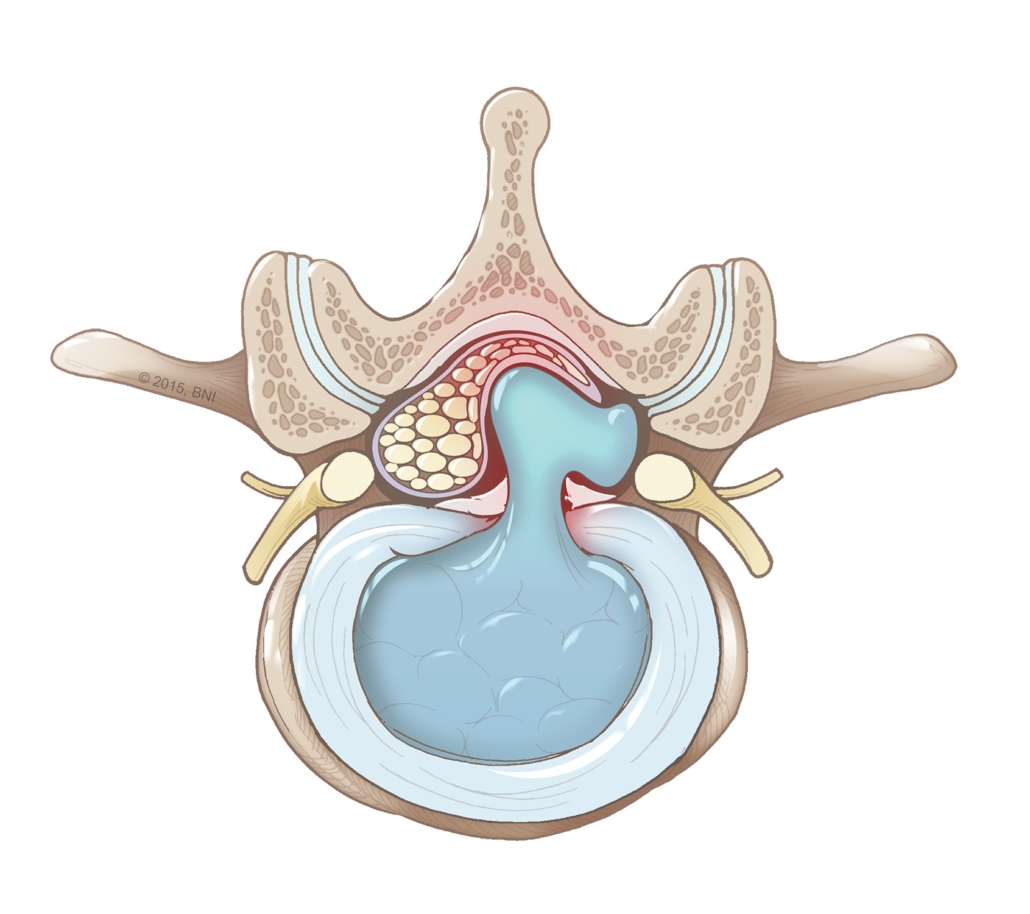
Herniated discs — one of the most common causes of back and leg pain, occurring when the soft inner core of a disc pushes through its outer casing and presses on nearby nerves. The DRX9000 creates the negative intradiscal pressure needed to draw that material back toward the center of the disc.

Bulging discs — similar to herniated discs but with the disc wall still intact. Decompression reduces the outward pressure that causes the disc to bulge and compress surrounding nerve tissue.

Sciatica and sciatic nerve pain — the sciatic nerve is the longest nerve in the human body, running from the lower spine through the buttocks and down each leg. When a herniated or bulging disc compresses the sciatic nerve, patients experience shooting leg pain, numbness, tingling, or weakness. DRX9000 decompression relieves that compression directly at the source.

Degenerative disc disease — over time, intervertebral discs lose hydration and height, narrowing the space between vertebrae and increasing pressure on spinal nerves. Decompression therapy helps restore disc height and hydration while reducing nerve compression.

Pinched nerves and radiculopathy — nerve compression in the cervical (neck) or lumbar (lower back) spine can cause radiating pain, weakness, or sensory changes in the arms or legs. Decompression therapy addresses the structural cause of nerve compression.

Failed back surgery syndrome — patients who have undergone spinal surgery but continue to experience pain are often candidates for decompression therapy. Dr. Karr evaluates each case individually to determine whether decompression can provide relief.

How the DRX9000 Works — Step by Step

A typical DRX9000 session at Los Angeles Spinal Decompression® begins with Dr. Karr reviewing your MRI or X-rays to confirm the diagnosis and identify the specific disc levels requiring treatment. You are then positioned on the DRX9000 treatment table, which is fully adjustable to target the precise spinal segment involved.

During treatment, the DRX9000 applies gentle, computer-controlled traction in a cyclical pattern — alternating between distraction (stretching) and relaxation phases. This cycling motion creates the negative pressure within the disc without triggering the muscle guarding reflex that can limit the effectiveness of manual traction. Sessions typically last 30 to 45 minutes and are comfortable enough that many patients fall asleep during treatment.

A standard treatment protocol at LA Spinal Decompression® consists of multiple sessions over several weeks, depending on the severity of the condition and the patient’s response to care. Most patients report noticeable improvement within the first few sessions.

Why Choose Los Angeles Spinal Decompression® for DRX9000 Treatment in Los Angeles?

Los Angeles Spinal Decompression® is one of the few practices in the greater Los Angeles area with the DRX9000 — the most clinically validated spinal decompression system available. Many practices offer generic traction tables marketed as “decompression” — but only the DRX9000 uses the patented logarithmic decompression curve that prevents muscle guarding and achieves true intradiscal negative pressure.

Dr. Michael C. Karr brings over 35 years of clinical experience to every case. As a UCLA graduate with advanced training in radiology and biomechanics, Dr. Karr evaluates every patient’s imaging personally — not a technician, not a physician assistant. You meet with the doctor, review your MRI together, and receive an honest assessment of whether decompression can help your specific condition. If it can’t, Dr. Karr will tell you — and refer you to the appropriate specialist.

We Treat ALL SPINES of People® — from professional athletes and active professionals to seniors managing degenerative disc disease and patients recovering from work or auto injuries.

Insurance, Payment Options, and First-Visit Offer

Many patients ask about coverage for spinal decompression. Los Angeles Spinal Decompression® accepts most PPO insurance plans, Medicare (for covered services), MedPay, Workers’ Compensation, and approved personal injury liens. Our staff verifies your benefits before your first appointment so there are no billing surprises.

For patients exploring whether spinal decompression is right for them, your first treatment is just $149 with an approved MRI report and doctor’s approval. This includes a comprehensive exam, X-rays if needed, MRI review with Dr. Karr, and your first DRX9000 session.

Serving All of West Los Angeles and the Westside

Los Angeles Spinal Decompression® is conveniently located at 11340 W. Olympic Blvd., Suite 160, Los Angeles, CA 90064 — on the ground floor with free parking and easy access from the 10 and 405 freeways. We serve patients from West Los Angeles, Santa Monica, Brentwood, Beverly Hills, Culver City, Westwood, Century City, Bel Air, Venice, Mar Vista, Playa Vista, Pacific Palisades, West Hollywood, and Marina del Rey.

Frequently Asked Questions About Spinal Decompression in Los Angeles

Is spinal decompression painful? No. Most patients find DRX9000 sessions comfortable and relaxing. The computer-controlled cycling motion is designed to avoid triggering muscle guarding, which makes it gentler than manual traction.

How many treatments will I need? The number of sessions depends on your diagnosis, the severity of disc damage, and how your body responds. Dr. Karr will outline a treatment plan after reviewing your MRI and completing your examination.

Am I a candidate for spinal decompression? The best way to determine candidacy is to bring your MRI to Los Angeles Spinal Decompression® and have Dr. Karr review it. General indicators of candidacy include herniated or bulging discs, degenerative disc disease, sciatica, or pinched nerves without significant spinal instability or fracture.

How does spinal decompression differ from chiropractic adjustment? Chiropractic adjustment restores joint mobility and alignment through manual manipulation. Spinal decompression uses mechanical traction to reduce intradiscal pressure and promote disc healing. The two therapies are complementary and are often used together at our affiliated practice, West Los Angeles Chiropractic®.

Does insurance cover spinal decompression? Coverage varies by plan. Our staff verifies benefits before your first appointment. We also accept MedPay, Workers’ Comp, approved liens, and self-pay options.

Schedule Your DRX9000 Consultation Today

If you are living with herniated disc pain, sciatica, or chronic back pain — and want to know whether non-surgical spinal decompression can help — call Los Angeles Spinal Decompression® today.

📞 Call Betty: 310-914-9422 🌐 LosAngelesSpinalDecompression.com 📍 11340 W. Olympic Blvd., Suite 160, Los Angeles, CA 90064 (Ground floor · Free parking · Near the 10 & 405)

facebook.com/LosAngelesSpinalDecompression 

twitter.com/ladecompression 

instagram.com/losangelesspinaldecompression

losangelesspinaldecompression.blogspot.com

Page last updated: June 2026

If you work at Google, Apple, Amazon, Meta, EA, Riot Games, Yahoo, or Disney — or anywhere across the Playa Vista, Culver City, or West Los Angeles tech corridor — your spine is under constant stress.

If you work at Google, Apple, Amazon, Meta, EA, Riot Games, Yahoo, or Disney — or anywhere across the Playa Vista, Culver City, or West Los Angeles tech corridor — your spine is under constant stress.

Long hours coding, designing, producing, and sitting through back-to-back meetings are compressing your lumbar discs every single day. Most people ignore it until the pain becomes unbearable. By then a disc has herniated, a nerve is compressed, and someone is recommending surgery.

Before you agree to that — read this.

Why Disc Pain Gets Worse Over Time

Every hour of sitting increases intradiscal pressure in your lower back. Over months and years that pressure causes discs to bulge, herniate, and eventually compress the surrounding spinal nerves. The result is sciatica — sharp, shooting pain radiating down your leg, numbness in your foot, and an inability to sit, stand, or sleep comfortably.

Cortisone injections mask the pain temporarily. Physical therapy strengthens the muscles around the problem but rarely resolves it. Surgery carries significant risks and a lengthy recovery — and for many patients the pain returns within years.

There is a better first step.

What Is Non-Surgical Spinal Decompression?

Non-Surgical Spinal Decompression is an FDA-cleared therapy that uses a computerized table to gently and precisely decompress the affected spinal disc. At Los Angeles Spinal Decompression® we use the DRX9000™ — the #1 rated spinal decompression system — combined with MedX Rehab strengthening and same-day in-office digital X-rays.

The DRX9000™ works by creating negative intradiscal pressure — essentially a gentle vacuum effect that draws herniated disc material back toward its normal position, relieves nerve compression, and promotes natural disc healing through increased blood flow and nutrient delivery.

The treatment is painless. Most patients feel relief within the first several sessions. There is no surgery, no injections, and no recovery downtime.

Who Is a Candidate?

Spinal decompression is highly effective for patients suffering from:

  • Sciatica and radiating leg or arm pain
  • Herniated or bulging discs
  • Degenerative disc disease
  • Spinal stenosis and foraminal stenosis
  • Chronic lower back and neck pain
  • Numbness and tingling in the extremities
  • Pinched nerves

An MRI no older than 12 months is required prior to treatment. Dr. Karr will review your imaging in detail and confirm whether you are a candidate before recommending a care plan.

Why Los Angeles Spinal Decompression® Is Different

We specialize exclusively in spinal decompression. This is not a side service — it is everything we do. That singular focus means deeper expertise, more precise treatment protocols, and better outcomes for our patients.

Our office is one of the only practices in Los Angeles combining the DRX9000™ with MedX Rehab strengthening and same-day in-office digital X-rays — giving us a complete picture of your condition from day one and a comprehensive treatment approach that addresses both the disc and the surrounding musculature.

Your PPO Insurance May Cover It

If you work at a Westside tech company your employer PPO — Anthem Blue Cross, Cigna, Aetna, or UnitedHealthcare — may cover spinal decompression for disc-related diagnoses. We verify your benefits before your first visit so you know exactly what to expect. CareCredit financing is also available for any remaining out-of-pocket costs.

First Visit — $149

Your first visit includes a comprehensive exam, two in-office digital X-rays, and your first spinal decompression treatment — all for just $149 with an approved MRI report.

We are located minutes from the Playa Vista and Culver City tech campuses — ground floor, free parking, near the 10 and 405 freeways. Same-day and Saturday appointments available.

Stop Letting Disc Pain Run Your Life

You are one decision away from a different outcome. Call Betty today — she will review your MRI, verify your insurance benefits, and get you scheduled fast.

📞 310-914-9422 📍 11340 W. Olympic Blvd., Suite 160 | Los Angeles, CA 90064 🌐 LosAngelesSpinalDecompression.com


Follow us: 📘 facebook.com/LosAngelesSpinalDecompression 🐦 twitter.com/ladecompression ▶️ youtube.com/watch?v=P5NSQx3CMJY 📝 losangelesspinaldecompression.blogspot.com


This blog is for informational purposes only and does not constitute medical advice. Please consult with a qualified healthcare provider to determine if spinal decompression is appropriate for your condition.